“Black” by Pearl Jam – The Rock Ballad That Spoke to Millions
„“Black” comes from their debut album Ten, considered by grunge fans as one of the most important records in the genre’s history. The lyrics were written by Eddie Vedder himself, while the music was composed by guitarist Stone Gossard. Duration? A full 5 minutes and 43 seconds of emotional ride! Originally, “Black” was supposed to be released as a single, but Epic Records said, “Not this time.” And you know what? That refusal only added to the song’s legendary status. Despite not having an official single release, the track became so popular that it is the fourth most played Pearl Jam song in concerts, even though no one really promoted it.
The song reached number 3 on the Billboard Mainstream Rock Tracks chart in 1993 and ranked 9th in Rolling Stone’s list of best ballads. What’s behind the success? A simple and beautiful melody—and above all, timeless lyrics.
The Depth of “Black” – A Personal Letter About First Love and Painful Goodbye
The lyrics of “Black”—a song Eddie Vedder wrote straight from the heart—tell the story of a breakup, the loss of a first love, and the struggle to come to terms with her leaving. This isn’t just another rock ballad—it’s an intimate, reflective letter in which Vedder confesses that true love is often unrequited. A key excerpt:
“I know someday you’ll have a beautiful life,
I know you’ll be a star in somebody else’s sky,
but why can’t it be mine?”
These few lines capture the essence of sorrow and at the same time the wish for happiness for the beloved. On one hand—a pure, sincere blessing; on the other—a heart-wrenching desire to share that “beautiful life” together.
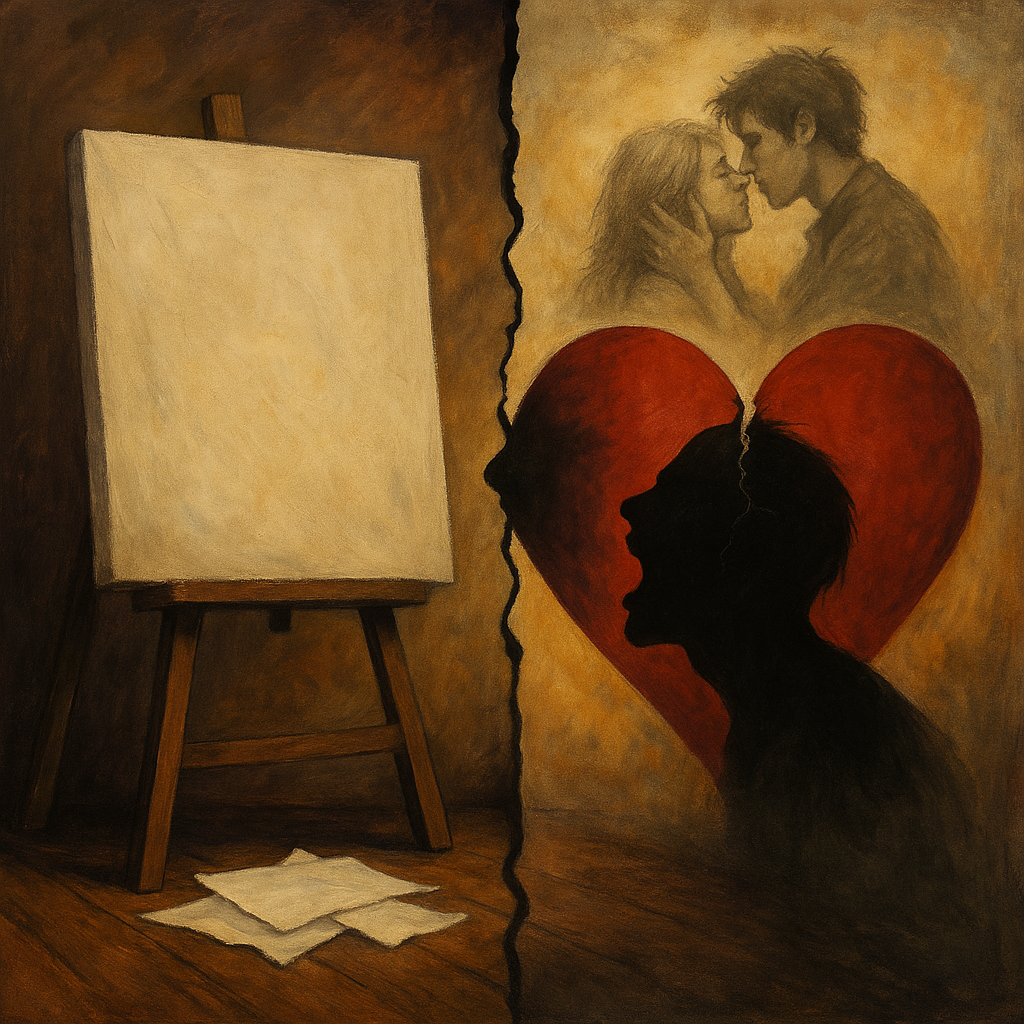
The lyrics also evoke the image of “sheets of empty canvas” — blank canvases ready for new stories. It’s a symbol that the end of one feeling is simultaneously a chance to paint something completely different, even though at first there is only pain and emptiness. While fans have speculated the song tells a story of grief or undisclosed abortion, Vedder consistently emphasizes that it’s primarily about the loss of youthful love and the struggle to come to terms with its departure. And perhaps that’s why each of us can find a piece of our own story in these words. This is best illustrated by the quote below:
“This song is about letting go. It’s very rare for a relationship to defy Earth’s gravity and start evolving on its own. I’ve heard you can’t have true love unless it’s unrequited. It’s cruel, because then your truest love is the one you can never have forever.”
— Eddie Vedder, Pearl Jam Twenty
Live Emotions: How “Black” Ignited MTV Unplugged
In March 1992, the band performed “Black” on MTV Unplugged, showing the world what true live authenticity really means.
A Magical, Intimate Setting
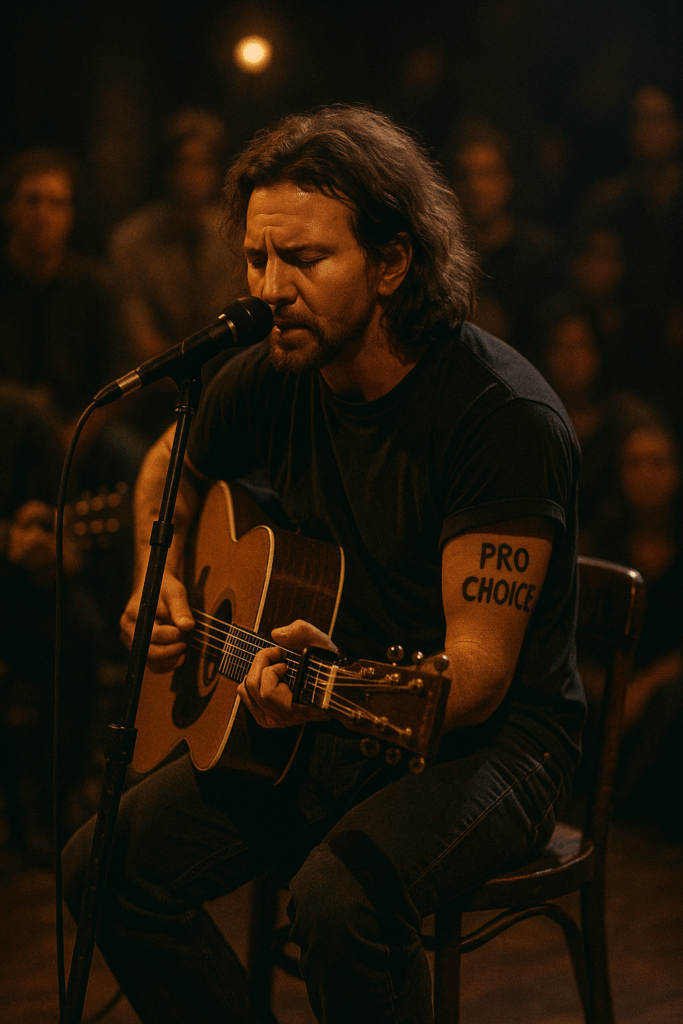
Imagine this — the whole crew sitting on simple stools, with a focused, attentive audience gathered in front of them. It wasn’t a huge arena, but a cozy, raw atmosphere that perfectly captured the emotional essence of “Black.” The entire space was charged with tension yet filled with an incredible intimacy that arises when a musician shares their deepest feelings live.
Eddie Vedder — The Master of Authenticity
During this performance, Eddie was simply hypnotic. His voice — from melancholic tones to intense screams and delicate falsetto — filled every inch of the room. You could feel he wasn’t just singing for the audience, but living every line of the lyrics with his whole being. His body spoke louder than a thousand words — closed eyes, nodding head, trembling with emotion… these small gestures captured the core of despair and hope.
Improvisation That Went Down in History
The most memorable moment was the improvised phrase: “We belong together, together.” This part, absent from the studio version, became a symbol of desperation and longing for the loved one. Toward the end of the song, Eddie almost shouted these words, showing how deeply he felt every note of the song. It was the moment the audience’s hearts beat louder — pure musical therapy capable of healing even the most wounded souls.
Resonance and Significance of the Performance
It’s no coincidence that many fans and critics call this performance one of the best in MTV Unplugged history, and for many, even one of the most important concert moments ever. This “grunge therapy,” as some call it, showed that music is more than just sounds. It’s a window into the artist’s soul, opening up before the audience and allowing everyone to feel their pain, hope, and inner strength.
And if you didn’t know, the MTV Unplugged version was officially released on vinyl and CD for Record Store Day, and since 2020, the entire set has been available on YouTube. It’s a perfect opportunity for younger generations to appreciate this legendary session. And do you remember when Eddie wrote “PRO CHOICE” on his arm with a marker during another song? That’s yet another proof that the evening was filled with both musical and social statements.
For me, this performance is the definition of authenticity — a blend of raw emotion, incredible improvisation, and extraordinary intimacy makes “Black” not just a song, but a true experience. If you haven’t had the chance to experience it live (even through a screen), I highly recommend diving into the magic of MTV Unplugged!
True Emotions Never Go Out of Style — That’s Why “Black” Stays in the Heart Forever
And here we are at the end of our little journey through the world of “Black.” You know what? The deeper I dug into it, the stronger I felt one thing: the most beautiful songs are the authentic ones. The kind that weren’t made in the studio for the charts, but somewhere deep in the soul, with an acoustic guitar and a heavy load of emotions. Pearl Jam’s “Black” is the perfect example — a song written from the heart, for oneself, not for the crowd. And you can hear that. Every verse, every note, every tremble in Vedder’s voice shows that this song has something that can’t be faked: soul.
In the end? If you ever wonder what makes a song timeless, remember: it’s not about perfection. It’s about truth and emotions that you truly feel. Just like in “Black.”